The Rise of Korean Literature Around the World
Only a decade ago, Korean literature was still considered a niche interest outside Korea. Today, it has become one of the fastest-growing areas of world literature. International bookstores now dedicate entire shelves to Korean novels, literary prizes have introduced readers to new voices, and translated Korean books regularly appear on bestseller lists.
Many people first became interested in Korea through K-pop, Korean dramas, or Korean cinema. Yet those who wanted a deeper understanding of Korean society eventually discovered its literature. Novels offer something television and music cannot—they reveal the inner thoughts, history, struggles, and philosophy of a culture through unforgettable characters and stories.
As someone who has spent years reading both Korean and international books, I’ve noticed how dramatically global attitudes have changed. Korean literature is no longer viewed as an “emerging” genre. Instead, it has become an essential part of modern world literature, standing confidently alongside works from Japan, Europe, and Latin America.
In this guide, we’ll explore why Korean literature is becoming increasingly popular, what makes it unique, which authors every reader should know, and how beginners can start exploring this fascinating literary tradition.
Key Takeaways
- Korean literature has experienced unprecedented international growth over the past two decades.
- High-quality translations have made Korean novels more accessible than ever.
- Global cultural interest in Korea has introduced millions of new readers to Korean books.
- Korean authors explore universal themes while offering unique cultural perspectives.
- Today’s readers have access to an impressive range of literary fiction, thrillers, memoirs, fantasy, and historical novels from Korea.
Why Korean Literature Is Suddenly Everywhere
The worldwide success of Korean literature did not happen overnight. Instead, it resulted from decades of cultural development, government support for literary translation, talented authors, and growing global curiosity about Korean culture.
One of the biggest turning points was the dramatic improvement in literary translation. In the past, relatively few Korean books were available in English. Even when translations existed, many were difficult to find. Today, international publishers actively seek Korean works because demand has grown significantly.
Several factors contributed to this transformation:
- More investment in professional literary translation
- Growing international publishing partnerships
- The worldwide popularity of Korean entertainment
- Recognition from major international literary awards
- Social media communities recommending translated books
Readers who discovered Korea through films like Parasite or television series often became curious about Korean novels. They wanted stories that explored everyday Korean life beyond what they saw on screen.
Unlike some commercial fiction, many Korean literary works blend emotional storytelling with philosophical questions. Family expectations, loneliness, identity, trauma, memory, social pressure, and resilience frequently appear throughout modern Korean fiction.
These themes resonate with readers regardless of nationality because they address experiences shared across cultures.
The Global Publishing Industry Took Notice
International publishers increasingly recognized that Korean authors were producing original voices unlike anything currently dominating Western markets.
Instead of simply following existing literary trends, Korean writers often combine realism with subtle symbolism, psychological depth, and emotional restraint. This distinctive style has attracted readers looking for something different from conventional English-language fiction.
Today, many bookstores include dedicated Korean literature sections that barely existed fifteen years ago.
| Before | Today |
|---|---|
| Limited English translations | Hundreds of translated titles |
| Mostly academic readership | Mainstream global readers |
| Few international publishers | Major publishing houses actively acquiring Korean books |
| Rare literary recognition | International literary awards and bestseller lists |
What Makes Korean Literature Different?
Every literary tradition reflects its country’s history, values, and social experiences. Korean literature is no exception. While it shares universal human emotions with literature from around the world, it also carries distinct characteristics that make it immediately recognizable.
Emotional Honesty
One defining feature of Korean literature is its emotional authenticity. Rather than relying on dramatic action, many stories focus on ordinary people facing quiet but deeply meaningful struggles.
Characters often wrestle with:
- Family responsibility
- Generational conflict
- Isolation
- Career pressure
- Identity
- Mental health
- Loss and healing
These themes feel deeply personal while remaining universally relatable.
History Shapes Modern Stories
Modern Korean fiction cannot be separated from Korea’s history. Japanese colonial rule, the Korean War, rapid industrialisation, urbanisation, and changing family structures continue to influence contemporary storytelling.
Many novels examine how historical events continue affecting ordinary people generations later. Instead of presenting history through political speeches, Korean authors often explore it through families, friendships, and personal memories.
This approach makes complex historical topics accessible even for readers unfamiliar with Korean history.
Quiet Storytelling with Powerful Impact
Many Korean novels build emotional tension gradually rather than relying on constant plot twists. Readers are invited to reflect, interpret symbolism, and connect emotionally with characters.
The result is literature that often stays with readers long after finishing the final page.
The Authors Who Brought Korean Literature to the Global Stage
Behind the international success of Korean literature are writers whose stories have crossed languages, cultures, and generations. While Korean authors have been writing exceptional literature for decades, greater investment in translation and increasing international interest have finally allowed many of these voices to reach readers worldwide.
Rather than presenting Korea through stereotypes or tourist attractions, these authors write about universal human experiences—grief, identity, love, family, injustice, loneliness, and hope. Readers from every corner of the world often discover that these stories feel surprisingly familiar despite their distinctly Korean settings.
Han Kang and Worldwide Recognition
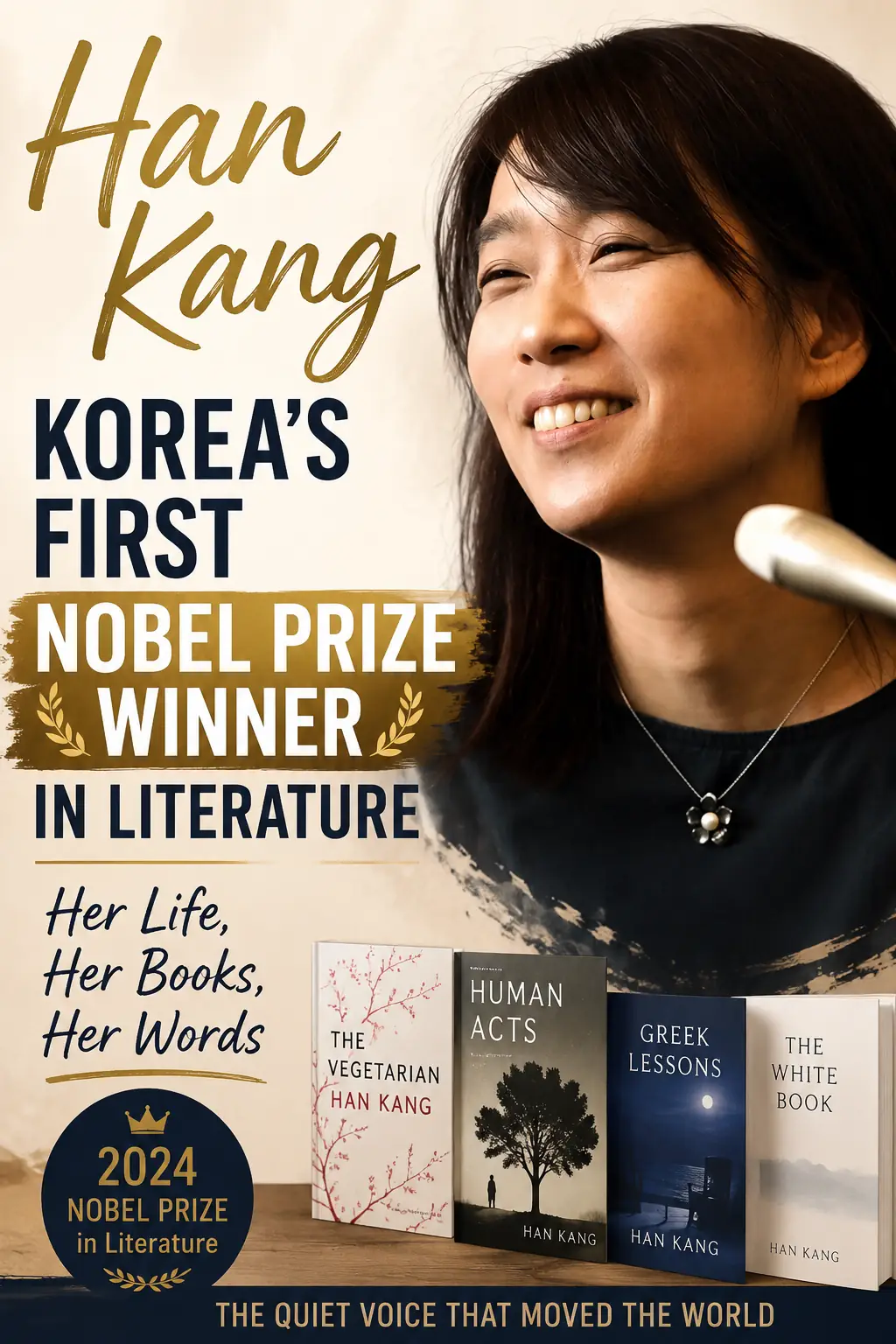
Few writers have influenced the global perception of Korean literature as significantly as Han Kang. Her works combine poetic language with profound psychological insight, encouraging readers to question violence, identity, memory, and what it truly means to be human.
Her international recognition introduced millions of readers to modern Korean literature and demonstrated that Korean novels could stand alongside the world’s most respected literary works. Rather than writing conventional narratives, Han Kang often blends realism with symbolism, creating emotionally powerful stories that continue to inspire discussion long after readers finish them.
Other Influential Korean Authors
Han Kang is only one of many remarkable Korean writers gaining international attention. Readers exploring Korean literature will soon encounter a wide range of voices and genres.
| Author | Known For | Popular Themes |
|---|---|---|
| Han Kang | Literary fiction | Identity, trauma, humanity |
| Kyung-Sook Shin | Family drama | Memory, motherhood, sacrifice |
| Kim Young-ha | Contemporary fiction | Identity, technology, modern society |
| Cho Nam-joo | Social fiction | Gender equality, work, family |
| Hwang Sok-yong | Historical fiction | Korean history, politics, resilience |
Why Readers Around the World Connect with Korean Books
Although Korean novels often portray uniquely Korean experiences, their emotional core is universal. Readers recognise themselves in the characters’ hopes, disappointments, relationships, and personal struggles.
Many readers are surprised to discover how relatable Korean literature feels. The cultural details may be unfamiliar, but the emotions are not.
Universal Themes
Modern Korean literature frequently explores questions that transcend national boundaries:
- How do families shape our identity?
- What does success really mean?
- Can people recover from trauma?
- How do individuals find purpose in modern society?
- What sacrifices do people make for those they love?
These questions resonate whether a reader lives in Seoul, London, Auckland, Toronto, or New York.
A Different Storytelling Style
Readers accustomed to fast-paced Western novels sometimes notice that Korean fiction unfolds more gradually. Instead of constant action, many Korean authors allow characters to develop naturally through conversations, memories, and quiet moments.
This slower pace creates room for reflection. Rather than telling readers what to think, Korean novels often invite them to interpret events and discover meaning for themselves.
Growing Interest in Asian Perspectives
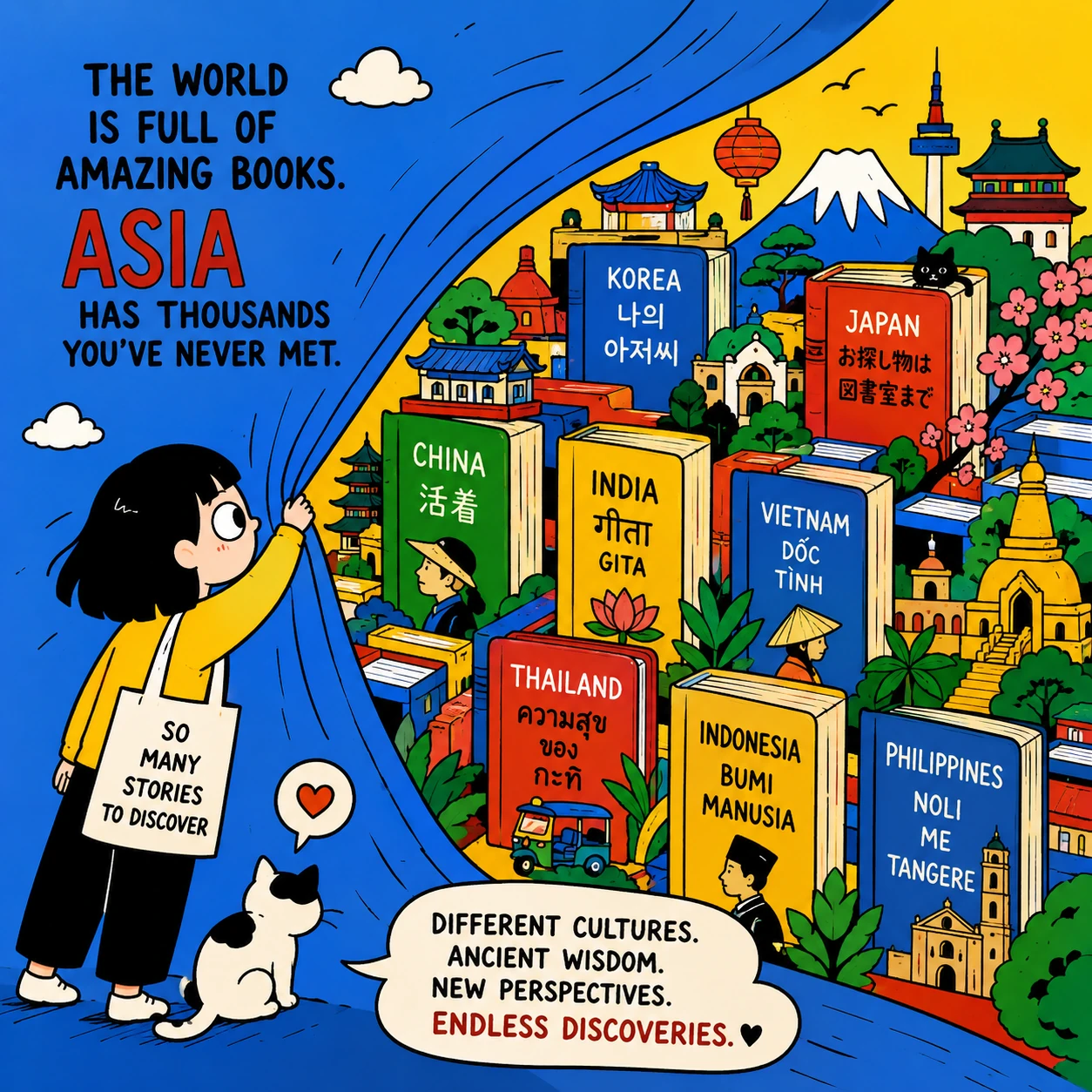
Today’s readers are increasingly interested in voices beyond traditional Western literature. Korean books offer fresh perspectives on contemporary life while expanding readers’ understanding of another culture.
This growing appreciation for translated literature has also encouraged publishers to introduce lesser-known Korean authors whose works might previously have remained unavailable outside Korea.
How to Start Reading Korean Literature
If you’re new to Korean literature, the growing number of translated books can feel overwhelming. Fortunately, you don’t need an extensive knowledge of Korean history or culture to enjoy these novels. Starting with accessible, well-translated works is often the best approach.
Choose the Right Starting Point
Different readers enjoy different genres, so consider beginning with books that match your existing interests.
- Literary fiction for thoughtful character-driven stories
- Historical novels for readers who enjoy learning about Korea’s past
- Contemporary fiction about modern society
- Psychological novels with philosophical themes
- Mystery or thriller novels for faster-paced reading
Don’t Worry About Cultural References
Many first-time readers worry they won’t understand Korean customs or traditions. In reality, excellent translations usually provide enough context for readers to follow the story naturally.
Unknown cultural references often become opportunities to learn something new rather than barriers to enjoyment.
Read Beyond the Bestsellers
While internationally famous books provide excellent introductions, one of the greatest joys of Korean literature is discovering lesser-known authors. Independent publishers continue introducing remarkable works that receive little mainstream publicity but offer unforgettable reading experiences.
Join Reading Communities
Online book clubs, literature forums, and social media communities make discovering Korean literature easier than ever. Reading alongside others can provide helpful historical context, cultural insights, and recommendations for what to read next.
Many readers find that once they finish one Korean novel, they quickly begin exploring many more.
Frequently Asked Questions
Is Korean literature difficult to read?
Not at all. Modern English translations are generally very accessible. While some literary novels explore complex themes, many Korean books are suitable for readers completely new to translated literature.
Do I need to understand Korean history before reading Korean novels?
No. Most novels provide enough context for international readers to understand the story. Learning more about Korean history can certainly enrich the experience, but it isn’t necessary to appreciate the characters or themes.
Why has Korean literature become so popular recently?
Several factors have contributed to its growth, including better literary translations, increased global interest in Korean culture, international literary awards, and readers seeking diverse perspectives beyond traditional Western literature. Together, these developments have brought Korean authors to a much wider international audience.
Conclusion
The rise of Korean literature is far more than a publishing trend. It reflects a growing appreciation for diverse voices, cultures, and perspectives in world literature. Readers today are no longer limited to books written in their own language or country. Instead, they are actively seeking stories that broaden their understanding of the world, and Korean literature offers exactly that.
From quiet literary fiction to historical epics and thought-provoking contemporary novels, Korean authors have shown that deeply local stories can carry universal meaning. Themes such as family, identity, grief, ambition, loneliness, and resilience resonate with readers regardless of where they live.
My Personal Opinion
As someone who grew up in Korea and has spent many years reading both Korean and Western literature, I believe Korean books deserve much more international attention than they currently receive. While Korean films, television dramas, and K-pop have successfully reached global audiences, many incredible Korean books remain hidden outside the Korean-speaking world.
One reason I started Yes This Book is to introduce readers to these overlooked works. Some of the most meaningful books I have ever read were written by Korean authors whose names are still relatively unknown internationally. Their stories are thoughtful, emotionally rich, and often leave readers reflecting long after the final page.
I also hope that more classic Korean literature will continue to be translated into English. There are countless works that have shaped Korean culture and influenced generations of readers but remain inaccessible to international audiences. Making these books available would not only preserve literary heritage but also enrich world literature as a whole.
If you’ve never read a Korean novel before, this is an excellent time to begin. Start with one book that matches your interests, read it with an open mind, and don’t be surprised if it leads you to many more. Korean literature has a remarkable way of staying with you long after you’ve closed the book.
Related Articles
- Hidden Korean Books You Should Read at Least Once
- Best Korean Books for Beginners
- Han Kang Books in Reading Order
- Why Asian Books Are Hidden Gems
- Modern Korean Authors Every Book Lover Should Know
Sources
- Swedish Academy – Nobel Prize announcements and author information
- Korean Literature Translation Institute (LTI Korea)
- International Booker Prize archives
- Major English-language publishers of translated Korean literature
Suggested Internal Links
| Location in Article | Internal Article to Link |
|---|---|
| Introduction | Why Asian Books Are Hidden Gems |
| Global Recognition Section | Han Kang Books in Reading Order |
| What Makes Korean Literature Different? | Hidden Korean Books You Should Read |
| How to Start Reading | Best Korean Books for Beginners |
| Conclusion | Modern Korean Authors Every Reader Should Know |